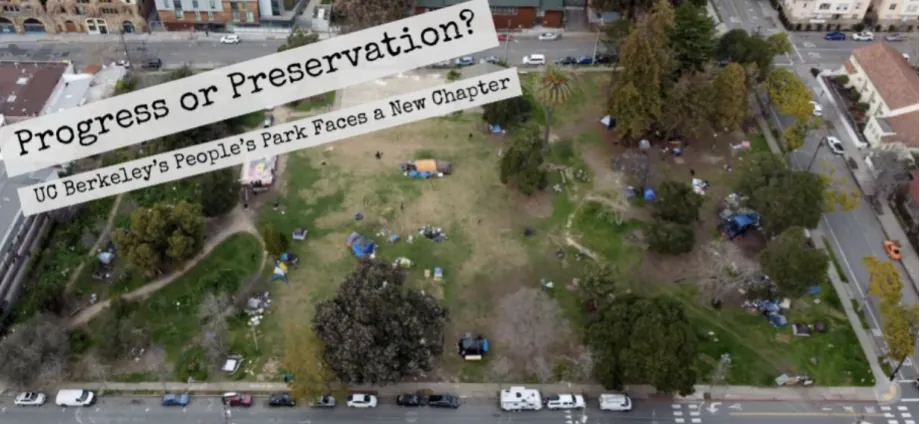
As UC Berkeley redevelops People’s Park into student housing, conflicts arise between addressing Berkeley’s housing crisis while preserving its history of activism and free speech.
The People’s Park Controversy
Walking past the stacked containers surrounding what was once called “People’s Park,” it feels as if UC Berkeley is shutting down a piece of its long history centered around political activism. The University sees the change as progress through a long-awaited solution to Berkeley’s housing crisis. For many people who view Berkeley as just more than a prestigious university town, the city seems to be letting go of what makes it unique. As UC Berkeley and other California universities plan on housing expansions, People’s Park serves as an example of how cities should take into account growth and community development when making future housing developments.
A History of Resistance
For years, People’s Park wasn’t just an open space or place for the unhoused.. It represented what Berkeley has stood for; the city’s commitment to free speech, activism, and its compassion for people who struggle. Now the park is being transformed into a $400 million student housing complex with dorms, a grocery store, and a memorial in honor of its history.
People’s Park was created based on resistance. In 1969, local residents and activists decided to turn an abandoned UC lot into a public park through planting gardens and building a community from scratch. When UC Berkeley tried to re-takethe land, protests ignited as clashes with law enforcement ensued. 128 Berkeley residents were hospitalized after the protest and 111 officers faced serious injuries, leading to national guardsmen deploying to Berkeley. This violence led to the cementation of People’s Park within Berkeley’s identity as it symbolizes community resistance to changes enforced by the institution, showing how “progress” is often faced by conflict.
Solving One Crisis Leads to Another
Berkeley is in desperate need of more student housing as the university only provides beds to 30% of its undergraduate students and 8% of its graduate students, which is the lowest level of provided housing in the UC system. Berkeley students are either living in overcrowded housing, suboptimal living conditions, or commuting long hours just to stay in school. This project sounds promising as it proposes that it will provide 100 units of housing for previous homeless residents and a redesigned park.
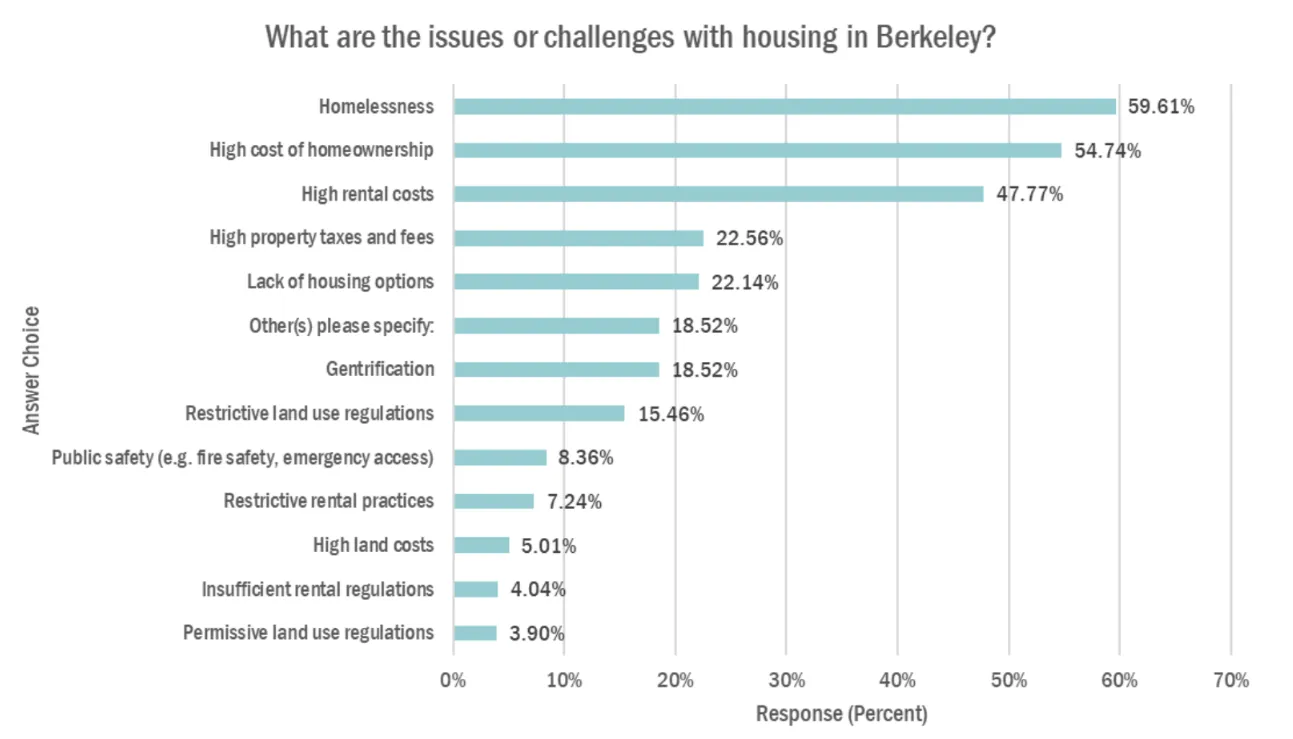
While the project’s goals may seem beneficial, there were controversies over how it was built. To start construction, the city of Berkeley removed encampments of homeless residents, which people believed contradicted the park’s historical values regarding activism. This raises questions of whether this is truly progress as displacing people seems to be an unethical method.
Safety or Supression?
UC Berkeley’s Safety Argument
UC Berkeley’s idea to redevelop People’s Park once again has brought similar tensions. The University spent over $10 million on this redevelopment project, not including the cost of lawsuits and fences. The University actively controlling student advocacy once again, this time using “safety” as an excuse to control the ongoing activism and protests. In 2024, police officers arrested a dozen activists who were protesting against the new student housing complex that is replacing People’s Park.
Critics’ Argument
UC Berkeley officials were arguing that People’s Park had become unsafe as drug use and violence was becoming more prominent in that area. The University claims that students living near the area would avoid People’s Park out of discomfort. In order to free up People’s Park, UC Berkeley spent over $5 million moving unhoused residents to nearby hotels and centers. Transforming the park does not solve this problem regarding homelessness, rather it is just a way to actively hide it. Former park resident Lisa Teague of the People’s Park Council quipped, “We can try to remediate the loss of the park, but we can’t completely make up for it.”
Growth Comes at What Cost?
Potential Benefits
Besides social and safety concerns, the People’s Park project carries many economic implications as well. UC Berkeley’s redevelopment of People’s Park represents not only an investment into the university’s future but a significant shift in the city’s housing market. This $400 million project could create more employment opportunities, while also addressing the Berkeley housing crisis. The average rent for an apartment with one bedroom in Berkeley hovers around $2,200, and having more beds available will help combat the demand while decreasing the overall prices within the city’s rental market.
However, people argue that these benefits come with costs as well. Turning this public space into a housing space run by the university, limits opportunities for nearby local businesses and community events that once took place there. UC Berkeley views this project as a long-term economic benefit for Berkeley’s future, whereas others feel that the University is putting financial and development needs ahead of the city’s community and culture.
Preserving History or Rewriting It
Supporters of this housing project claim that housing will be provided for both students and formerly homeless residents, while also protecting the history associated with People’s Park. Although housing is very important, seeing a 12-story complex in a place where people used to gather together makes it hard to believe that the park’s history is actually being respected.
It is not possible to represent the significant history of the park through plaques and displays. The history of activism and sense of community that made People’s Park what it is will not be the same behind these new fences and security measures. Now that it is managed by the University, the freedom that was tied to the park will be gone.
What makes People’s Park stand out is the symbolism and the history it contains. Many wonder if nostalgia should not be a reason for preventing progress from happening, but it is not about the nostalgia, rather the values. Berkeley used to be the same city that fought for freedom of speech; now it is closing down the park that stood for that exact value.
If UC Berkeley wants to respect what People’s Park previously stood for, it needs to do more than simply build a memorial. Real safety and inclusivity means that there should be an open and welcoming space for all types of people, whether they are students, activists or unhoused members of the local community. Closing off People’s Park not only erases Berkeley’s history: it erases what makes our city unique. Is it really a matter of improving safety or choosing who gets to feel safe?
Take-Home Points
- UC Berkeley’s redevelopment of People’s Park shows the conflict between addressing Berkeley’s housing and preserving its history.
- Even though the project is promising more beds and housing, many question whether the displacement of homeless residents was ethical.
- Economic benefits such as decreasing pressure on rent prices come with social costs that redefine the community culture of Berkeley.
- Making progress should mean to find the balance between growth and preservation, rather than changing the values of Berkeley that make it unique.